
mirror tile sheets
Plastic rebar chairs are an essential component in concrete construction projects, providing support and stability to reinforcing bars during the pouring and curing process. These chairs play a crucial role in ensuring the integrity and strength of the concrete structure. In recent years, the demand for plastic rebar chairs has been on the rise due to their durability, ease of use, and cost-effectiveness. Manufacturers of plastic rebar chairs have been at the forefront of innovation, constantly improving the design and functionality of these products to meet the evolving needs of the construction industry. By using advanced materials and production techniques, manufacturers are able to produce rebar chairs that are lightweight, yet incredibly strong and durable. These chairs can withstand heavy loads without compromising on performance, making them an ideal choice for a wide range of construction projects. One of the key advantages of plastic rebar chairs is their resistance to corrosion, a common issue with metal rebar chairs. Corrosion can weaken the reinforcing bars and compromise the integrity of the concrete structure, leading to costly repairs and maintenance. Plastic rebar chairs are highly resistant to corrosion, making them a more reliable and long-lasting solution for construction projects in corrosive environments . Another benefit of plastic rebar chairs is their ease of use and installation plastic rebar chair manufacture . These chairs are lightweight and easy to handle, allowing for quick and efficient placement of reinforcing bars on the construction site. The design of plastic rebar chairs also helps to ensure proper alignment and spacing of the reinforcing bars, preventing any issues during the pouring and curing of the concrete. Manufacturers of plastic rebar chairs are also focused on sustainability and environmental responsibility. By using recycled materials and reducing waste in the production process, these manufacturers are able to minimize their impact on the environment and contribute to a more sustainable construction industry. Plastic rebar chairs are also 100% recyclable, further reducing their environmental footprint. In conclusion, plastic rebar chairs are an essential component in modern construction projects, providing support and stability to reinforcing bars while offering durability, ease of use, and sustainability benefits. Manufacturers of plastic rebar chairs continue to innovate and improve their products to meet the ever-changing needs of the construction industry. With their resistance to corrosion, ease of installation, and environmental benefits, plastic rebar chairs are a reliable and cost-effective solution for a wide range of construction projects.
about
mirror tile sheets
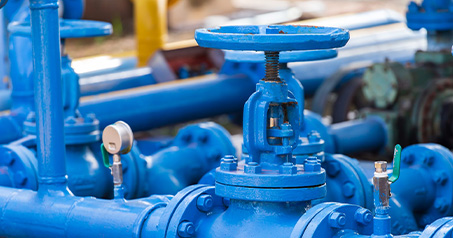
Types of Control Valves and Their Applications Control valves are essential components in various industrial processes, responsible for regulating fluid flow, pressure, and temperature within a system. They play a crucial role in automating and controlling processes in sectors such as oil and gas, water management, power generation, chemical manufacturing, and many others. Understanding the different types of control valves and their applications is vital for optimizing system performance and efficiency. 1. Globe Valves Globe valves are one of the most common types of control valves. They have a spherical body with a movable disc or plug that regulates flow. When the valve is partially opened or closed, the flow path changes, allowing for fine control over the flow rate. Globe valves are suitable for throttling applications and can handle high-pressure systems. They are widely used in chemical processing, water treatment, and HVAC systems. 2. Ball Valves Ball valves are known for their quick-response capability and reliability. They consist of a spherical disc that rotates to open or close the flow path. Ball valves are excellent for on/off control and can handle higher flow rates with lower pressure drops. Their tight sealing capabilities make them ideal for applications where leakage is a concern. They are commonly used in water supply systems, oil and gas applications, and as shut-off valves in various industrial processes. 3. Butterfly Valves Butterfly valves are characterized by a circular disc that rotates around a central axis to control flow. They are lightweight and require less space than other types of valves, making them suitable for applications with limited space. Butterfly valves are commonly used in large-scale systems such as water supply, wastewater management, and HVAC systems due to their ease of operation and cost-effectiveness. They provide good flow control and are highly efficient for larger pipes. 4 . Check Valves types of control valve and applications While technically not control valves in the traditional sense, check valves are crucial for preventing backflow in a system. They allow flow in one direction and automatically close when there is a reverse flow, protecting equipment and maintaining system integrity. Check valves are commonly used in water supply systems, fire protection systems, and oil and gas applications to ensure safety and reliability. 5. Pressure Relief Valves Pressure relief valves are critical for maintaining system safety by preventing excessive pressure buildup. When the pressure exceeds a predetermined limit, these valves open to release excess pressure, thus protecting equipment from damage. They are essential in industries like oil and gas, chemical processing, and power generation and are often used in conjunction with other control valves to ensure optimal performance and safety. Applications in Various Industries Different types of control valves are tailored for specific applications across various sectors. In the oil and gas industry, control valves regulate the flow of crude oil and natural gas, ensuring efficient extraction and transportation. In chemical manufacturing, they control the flow of reactants and products, maintaining optimal conditions for chemical reactions. In water treatment facilities, control valves regulate flow and pressure within pipelines to ensure clean and safe drinking water. Additionally, the power generation sector relies on control valves to manage steam and water flow in power plants, ensuring efficient energy production. HVAC systems utilize control valves to regulate air and water flow, contributing to energy savings and comfort in buildings. Conclusion Understanding the types of control valves and their respective applications is essential for engineers and operators in various industries. By selecting the appropriate control valve for specific needs, companies can enhance operational efficiency, ensure safety, and maintain system integrity. As industrial processes continue to evolve, the role of control valves in automation and control will remain pivotal in driving technology-forward solutions.
-

High quality industrial productsagement

High quality industrial products
View Details -

Meet the diverse needs of customers

Meet the diverse needs of customers
View Details -

Strict quality control

Strict quality control
View Details -

Top raw materials

Top raw materials
View Details -

Trusted supplier

Trusted supplier
View Details
Our application
news and information

Y Type Strainer Applications in Industrial Water Filtration
Industrial water filtration is a critical process for maintaining operational efficiency, equipment
Vòng vít đo
Đồ đo độ dày của vòng và vít Công cụ thiết yếu trong ngành công nghiệp Trong ngành công nghiệp hiện
ventil metall
Valvemetaller En Djupdykning i deras Egenskaper och Användningar Valvemetaller är en viktig klass av
 English